Low Fade Styles for Black Men: Top Styles
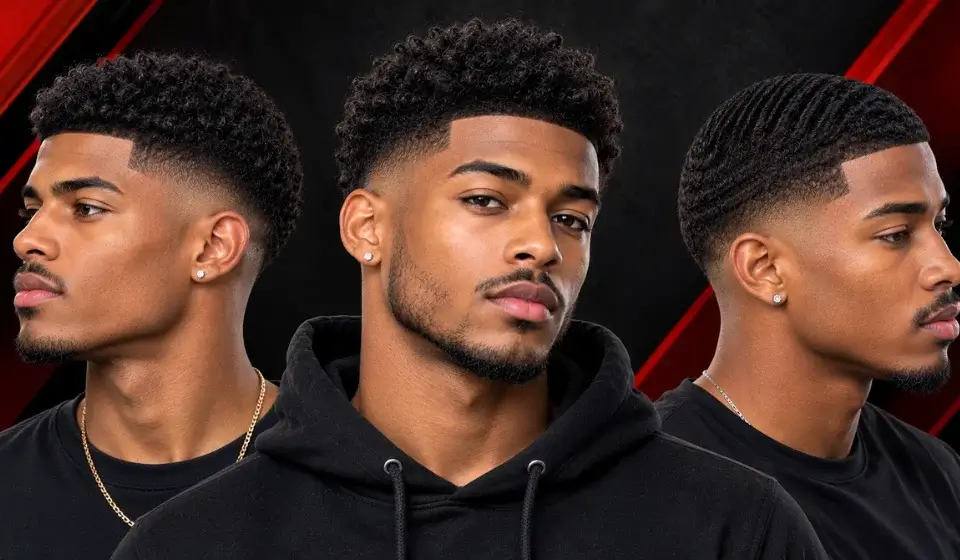
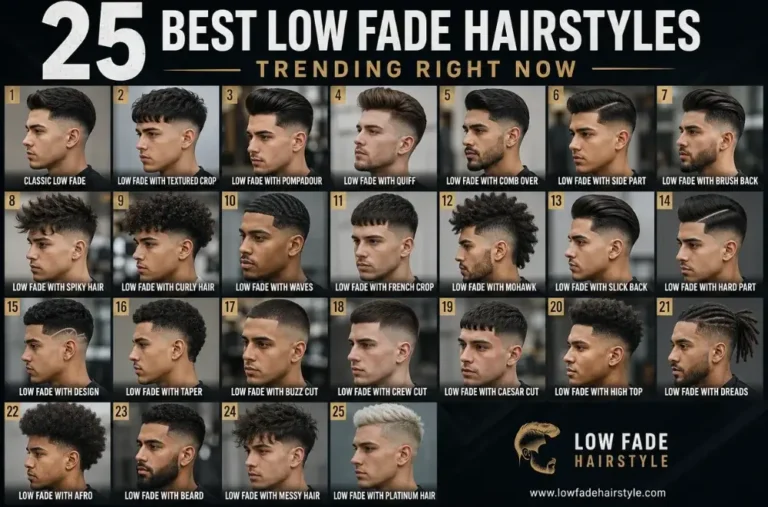
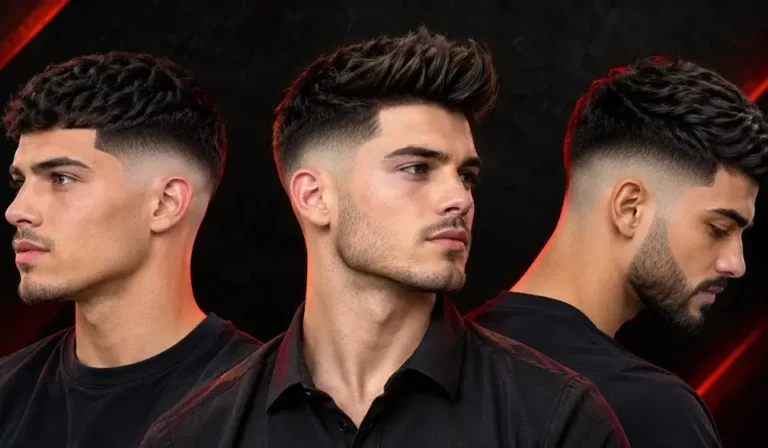
The low fade is a staple in Black barbershops. It works as a clean base for almost anything on top. That includes a rounded afro, sharp 360 waves, or a full head of braids. Black barbers have shaped much of modern fade technique. The low fade remains one of the most requested cuts in the chair today.
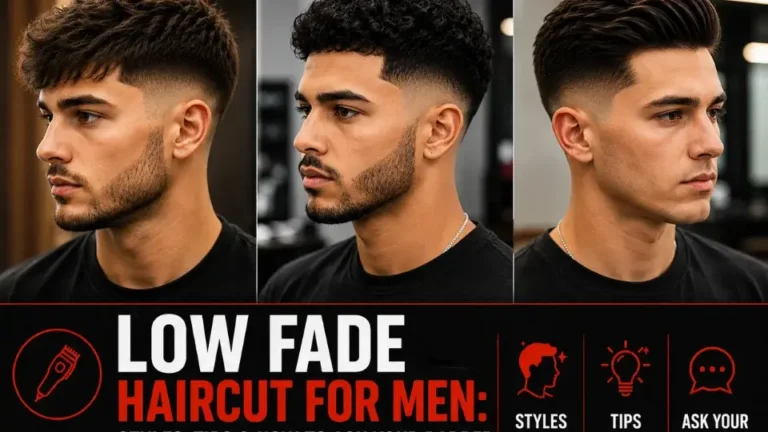
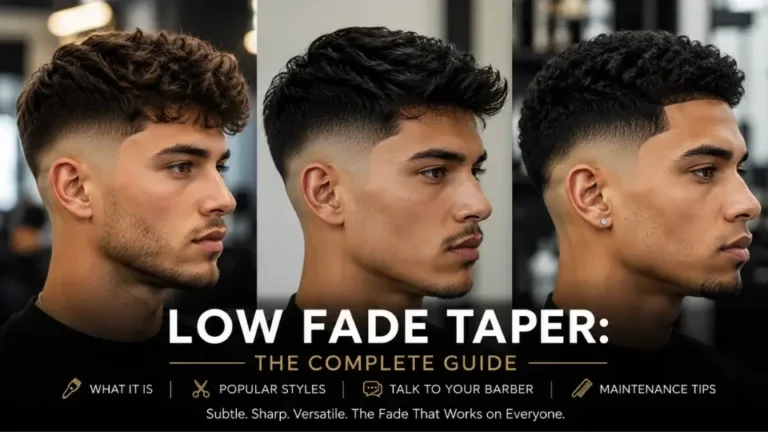
This guide covers the top low fade styles for Black men. You get the real details on each one: guard numbers, upkeep routines, and what to say to your barber. Instead of a quick style list, every section below explains how to get the look and keep it sharp between visits.
High Top Fade
The high top fade pairs a flat, boxy shape on top with a low fade underneath. It has deep roots in Black American style, going back to the late 1980s and 1990s. It has made a strong comeback in recent years, both as a classic look and a modern update.
Getting the flat top right takes a skilled barber. The top is cut level using a flat-top comb and clippers. The sides fade low and clean underneath. A guard of 1 to 2 near the base blends into the flat section on top. That top section usually stays at 2 to 3 inches for a classic look. A shorter version, closer to 1 inch, gives a more modern, low-profile take.
Styling tip. A strong-hold pomade or edge control gel keeps the top square and defined through the day. Brush the sides flat toward the fade line before applying product. This keeps the shape looking sharp instead of bulky.
Waves with a Low Fade
Pairing 360 waves with a low fade is one of the most iconic combinations in Black men’s grooming. The fade keeps the sides sharp. The top builds a deep, rippling wave pattern over time.
Getting waves takes a routine, not just one haircut. Here is the basic process.
- Cut it short. A guard of 1.5 to 2 on top gives the hair enough length to form a wave pattern. It should not be so long that training takes months.
- Brush often. Brush in the direction you want the waves to flow. Do this several times a day. This trains the hair pattern over time.
- Wear a durag. A durag or wave cap, worn overnight and during downtime, compresses the hair. This keeps the wave pattern forming while you are not actively brushing.
- Moisturize. A light wave pomade or moisturizer keeps the hair from drying out. This matters most during the early training period, often called “wolfing.”
A low fade with 360 waves and the slightly wider 180-wave pattern both use this same basic routine. The difference is how far around the head the wave pattern wraps.
Pairing With a Beard
A low fade with waves and a beard is a popular full-look combination. Ask your barber to blend the beard line into the fade. This makes the whole look read as one connected style, rather than two separate parts.
Twist-Out Fade
A twist-out fade combines defined, twisted sections of hair on top with a clean low fade on the sides. It gives real texture and shape. It does not need much daily styling once it is set.
Hair on top needs enough length to twist. A guard of 6 or higher, or a few inches of length, usually works. A barber or stylist sections the hair, then twists small pieces using a curl cream or twisting butter. The twists are left to set, or dried with a diffuser to lock in the shape.
Once the twists are set, the low fade underneath keeps the whole style structured. This is one of the lowest-maintenance ways to wear natural texture with real shape on top.
Maintenance
Twists can be worn for several days to a week before re-twisting. Wrapping hair at night with a satin bonnet keeps the twists neater for longer between styling sessions.
Afro Fade
An afro fade keeps a full, rounded shape of natural hair on top. A low fade trims the sides into a clean, defined edge underneath. The fade does the heavy lifting here. It turns a loose afro shape into something structured and intentional.
Length on top varies by preference. A shorter afro uses a guard of 4 to 5. A fuller, rounder afro needs more length on top. Regular use of an afro pick helps shape and lift the hair as it grows out.
Shape-up
A sharp shape-up along the hairline and temples finishes the look. Without it, an afro fade can look grown out rather than intentional. Ask your barber for a low fade shape-up specifically if this is what you want.
Braids, Locs, and Cornrows with a Low Fade
Braided and loc’d styles pair naturally with a low fade. The sides stay clean while the top carries all the visual interest.
Braids. Box braids or individual braids with a low fade keep length and pattern on top. The sides stay sharp underneath. The fade needs regular touch-ups, since braided styles are often worn for weeks at a time.
Cornrows. Cornrows with a low fade bring a neat, close-to-the-scalp pattern on top. Clean sides sit underneath. This combination works well for a polished, low-profile look, both for everyday wear and more formal settings.
Locs. Locs with a low fade give mature locs a defined edge. The locs themselves stay untouched. Barbers fade the sides and back only, leaving the loc’d sections on top completely alone.
Across all three, the fade is the easy part to maintain. The top style decides how often you are back in the chair for fresh braids, cornrows, or loc retwists.
Fade Designs and Line Work
Adding a design to a low fade turns a simple haircut into something personal. This has long been a signature of Black and Latino barbershop culture. It remains one of the most requested add-ons today.
Types of designs. A single straight or curved line along the side is the simplest option. From there, designs range wider. Geometric patterns, stars, initials, logos, and full freestyle art across the back or side of the head are all common requests.
How it is done. Barbers use trimmers or a fine detail razor to carve the design into the faded section. This usually happens right after the fade itself is finished and blended, while the skin is still clearly visible.
How long it lasts. A fade design usually looks sharp for about a week. After that, new growth starts to soften the lines. Simple designs are easier to keep clean between full haircuts than detailed freestyle work.
Asking for one. Bring a reference photo if you have a specific design in mind. For freestyle work, tell your barber the general style you like. Bold lines or fine detail gives them room to create something original within that direction.
Beard Fade for Black Men
Blending a beard into a low fade is a common finishing touch. Coarser or coilier beard hair sometimes needs a slightly different approach than straight facial hair.
Ask your barber to fade the sideburn area gradually into the beard. A hard line where the haircut ends and the beard begins looks unfinished. For thicker beards, this blend zone is usually a bit wider. That extra width gives the transition room to look natural rather than abrupt.
A light beard oil or balm afterward keeps the blended area soft. It also helps prevent the dry, brittle look that curlier beard hair is prone to, especially right after a fresh line-up.
Caesar and Edgar Cuts as a Base
Two classic top styles pair especially well with a low fade for many Black men: the Caesar cut and the Edgar cut.
A Caesar cut keeps the top short and horizontally cropped, with a light fringe at the front. Paired with a low fade, it is one of the lowest-maintenance combinations on this list, and it works well under a shape-up.
An Edgar cut adds a sharp, straight-across fringe at the front, cut higher and more defined than a standard Caesar. With a low fade underneath, it gives a bold, clean silhouette that holds its shape well between trims.
Finding a Barber Who Knows These Styles
Not every barber has equal experience with waves, twist-outs, or detailed fade designs. A few things help when choosing where to get one of these cuts done.
- Look for a portfolio with real examples of the specific style you want, not just general low fades.
- Ask how long the barber has been doing wave training, twist-outs, or freestyle designs specifically.
- For designs, check whether the shop uses a detail razor or trimmer, since this affects how crisp the final lines look.
A shop that regularly works with these styles will usually be happy to talk through the process with you before they start cutting.
Which Style Should You Choose?
With so many options, it helps to match the style to your hair length and your schedule, not just what looks good in a photo.
If your hair is already short and you want the lowest upkeep, a Caesar or Edgar cut with a low fade is the easiest place to start. If you are willing to put in daily brushing time, waves reward that effort with one of the sharpest looks on this list. For natural length on top without heat or chemical styling, an afro fade or twist-out fade both work with your hair’s natural texture instead of against it.
Braids, cornrows, and locs are worth considering if you want to go longer stretches between full haircuts, since only the fade needs regular touch-ups in between.
How to Ask Your Barber for These Styles
A few extra details help your barber nail these looks on the first try.
- Name the style directly. Say “high top fade,” “twist-out fade,” or “afro fade,” rather than just “low fade.” This tells your barber exactly what you are picturing on top.
- Mention your current routine. If you are growing waves, tell your barber how long you have been brushing and wearing a durag. This affects how much length they should leave.
- Bring reference photos. This matters even more for designs, twist-outs, and afro shapes. Words like “medium” or “full” can mean different things to different people.
- Ask about upkeep. Some of these styles, like waves or twist-outs, take real time to grow into. Ask how to care for the style between visits, not just how to get it started.
Frequently Asked Questions
The following are the FAQs:
Q1. What is the best low fade style for Black men?
There is no single best style. It depends on hair length and personal preference. A high top fade suits shorter, structured hair. Waves suit those willing to keep up a brushing routine. An afro fade suits men who want to keep more natural length on top.
Q2. How do you get waves with a low fade?
Cut the top to a short guard, usually 1.5 to 2. Brush regularly in one direction, and wear a durag or wave cap during downtime and sleep. The low fade keeps the sides clean while the waves form on top over several weeks.
Q3. Can you get a low fade with braids or locs?
Yes. A low fade works well with box braids, cornrows, and locs. The fade only affects the sides and back. The top style stays untouched, and the fade gets refreshed between full braid or loc appointments.
Q4. How long does a fade design last?
A simple fade design usually looks sharp for about a week before regrowth softens the lines. More detailed freestyle designs may need a touch-up sooner to stay crisp and clear.
Q5. How often should you get a low fade touched up?
Every 1 to 2 weeks keeps most of these styles looking sharp. The fade line is the first part to grow out and lose definition, even when the top style itself is still holding up well.
Q6. Do these styles work with a beard?
Yes. High top fades, waves, twist-outs, and afro fades all pair well with a beard. Ask your barber to blend the sideburn area into the beard using the same technique as the fade, so the whole look connects.
Final Thoughts
The low fade gives Black men one of the most flexible bases in men’s grooming. It works under a flat high top, full 360 waves, a shaped-up afro, or a set of fresh twists. Whatever style you choose, the sharpness comes down to two things: a barber who knows the technique and a maintenance routine you actually stick to. Pick a style from this list, bring a clear reference, and keep up with touch-ups. The result stays looking as clean as the day you left the chair.