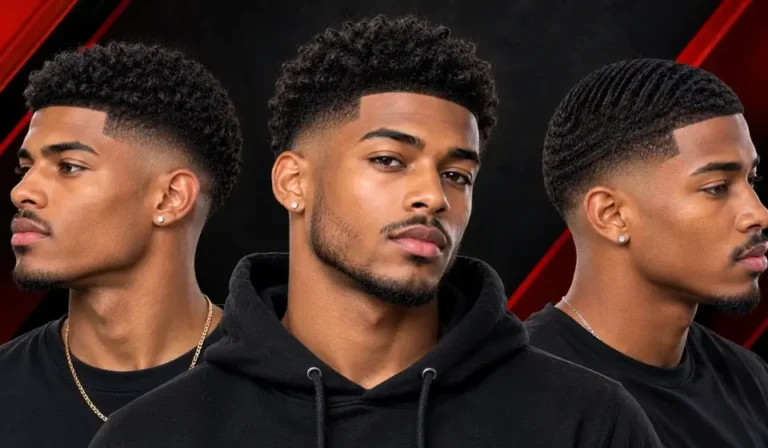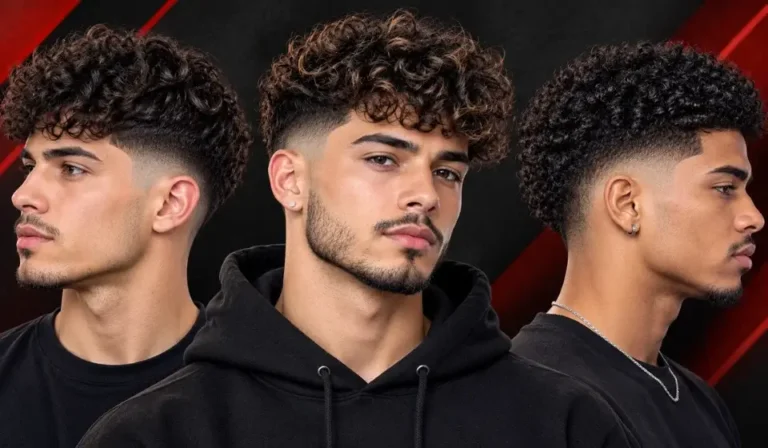
Low Skin Fade: How to Get a Clean Razor-Sharp Look
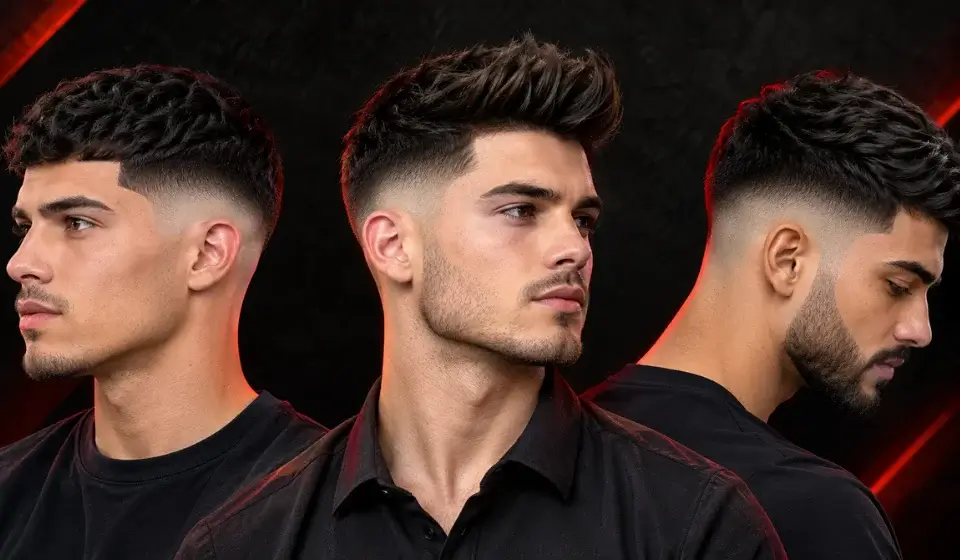
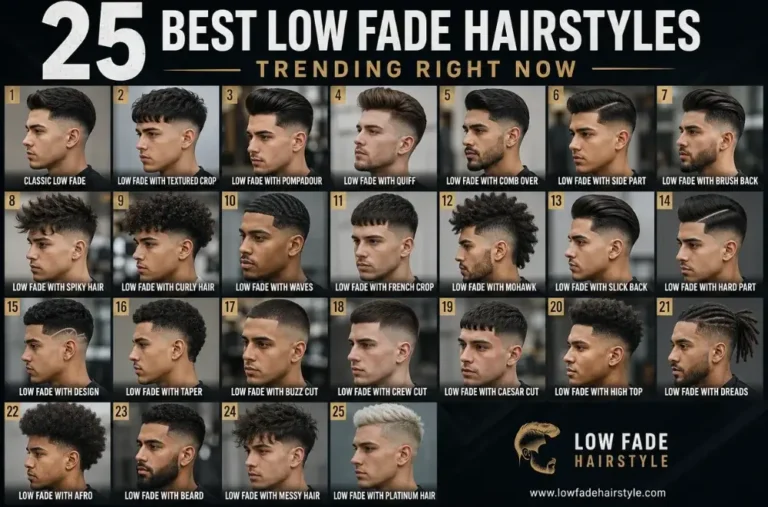
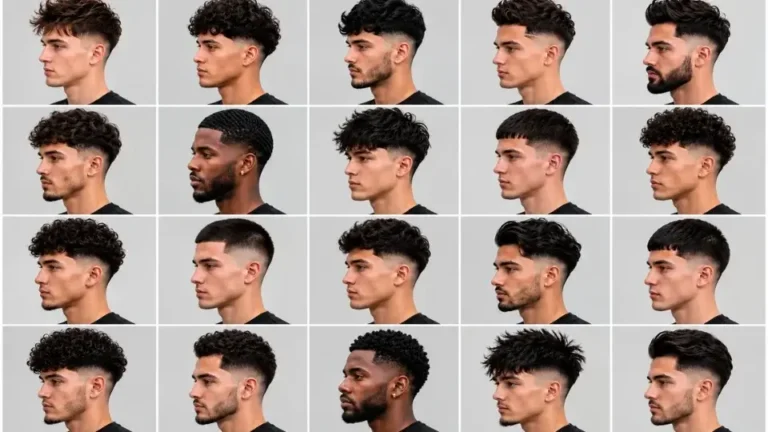
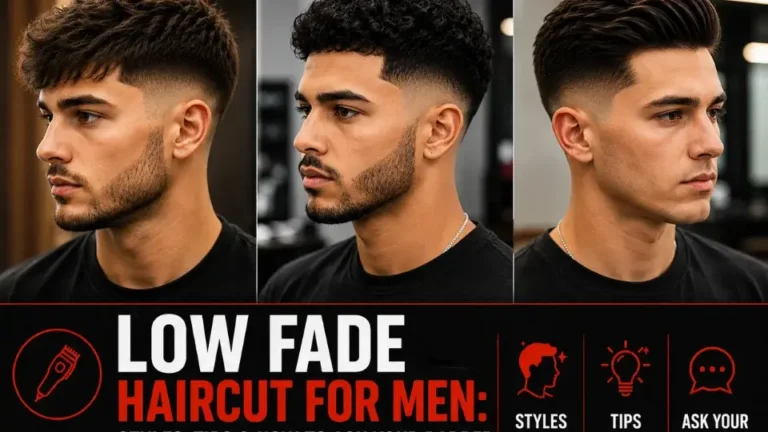
A low skin fade takes the sides of your hair all the way down to bare skin. It starts low, right near the ear. Then it blends up into whatever length you keep on top. Done right, it looks razor-sharp. Done wrong, it looks patchy.
There is a real difference between a low fade that just gets very short and a true skin fade that reaches real skin. This guide covers that difference. You will learn how barbers get true skin at the bottom. You will learn which guard numbers matter. You will also learn how to ask for it and how to keep it sharp between visits.
What Makes a Fade a “Skin” Fade?
Most low fades stop at a short guard length, like a 0.5 or a 1. A little hair is always left. A low skin fade goes further. It removes hair down to the skin itself. There is no stubble line at the lowest point.
This is what gives a skin fade its sharp look. Skin is smooth. Even very short hair has texture and a slight shadow. When the fade reaches bare skin, the contrast is much stronger. That contrast is the whole point of a low fade to skin, instead of a regular low fade.
Here is the catch. Clippers alone rarely get you true skin. Most low skin fade haircuts need a second tool to finish the job. More on that below.
Low Skin Fade vs. Bald Fade vs. Regular Low Fade
These three terms get mixed up a lot. Here is the short version.
Regular low fade
Blends down to a short guard near the ear. It never reaches bare skin. A little hair always stays.
Low skin fade
Blends all the way to bare skin at the bottom. It starts low, near the ear, then fades up.
Bald low fade
Almost the same as a skin fade. Some barbers use “bald fade” and “skin fade” for the same finish. Others save “bald fade” for a much larger shaved area. Ask your barber what they mean.
If a barber says “low fade, no skin,” that means something different. The sides stay short, but never touch bare skin. That is a softer look than the one in this guide.
Where Does a Low Skin Fade Start?
A low skin fade starts about one to two finger-widths above the ear. It starts at the same height at the back of the neck. This low point is what makes it “low.” A mid or high skin fade starts higher, closer to the temple, for a bolder look.
From that starting line, the barber moves the bare-skin area upward. They blend it into longer guard lengths as it climbs the head. The lower the starting point, the more hair you keep overall. The look also stays softer from a distance.
How Barbers Actually Get to Bare Skin
This is the part most guides skip. Clippers, even with no guard, leave a faint layer of stubble. To get true bare skin, most barbers use one of these methods.
Clipper-only skin fade. The barber uses clippers with no guard, lever fully open. They go over the same spot many times, in short strokes. This gets very close to the skin. It can still leave a light shadow, especially on dark or thick hair.
Razor or foil shaver finish. For a truly clean result, the barber follows the clipper work with a razor. This might be a straight razor, a shaping razor, or a foil shaver. This second pass clears the last bit of stubble. It is the main reason a barbershop skin fade looks smoother than a home haircut.
Blending after the skin work. Once the base is bare, the barber blends it upward. They use longer and longer guards, with the same scooping motion used on any fade. The bare-skin section should never end in a hard line. It should melt into the next guard length, with no visible step.
This two-step process is the key. Clean skin first. Blend upward second. That is what separates a sharp skin fade from a cut that just looks “very short.”
Guard Numbers That Matter for a Skin Fade
A skin fade uses a slightly different guard range than a normal low fade. The goal is true bare skin, not just a short guard.
0 Guard
Sometimes called a zero guard, or no guard at all: Used right at the base, near the ear and neckline. This is where skin should show through.
0.5 Guard
A very short buffer some barbers add just above the bare-skin line. It softens the jump into longer guards.
1 Guard
Where the blend starts building real length, right above the skin section.
2 and 3 Guards
Carry the fade further up the side. They add visible hair length as you move away from the skin.
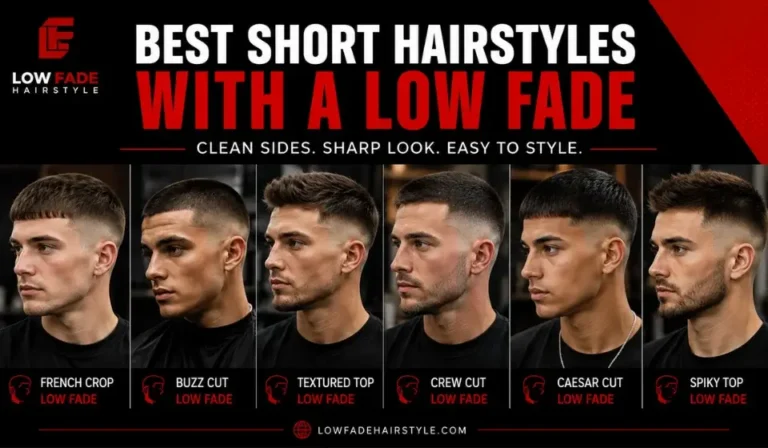
On top, a low skin fade pairs with almost any length. A low skin fade with 5 on top gives noticeable texture and an easy, low-fuss top. A low skin fade with 6 on top leaves a bit more length for styling with light product. Shorter guards on top, like 2 or 3, give the cleanest look. They also pair well with the sharp contrast a skin fade creates.
How to Ask Your Barber for a Low Skin Fade
Clear words make the biggest difference here. Use these points when you sit down.
1. Say “low skin fade,” not just “low fade.” This tells your barber you want bare skin, not a short guard.
2. Point to a spot one to two fingers above your ear. Say that is where the fade should start.
3. Ask for a razor or foil shaver finish at the base. This gets you true bare skin, not just very short clipper work.
4. Give a guard number for the top, like “2 on top” or “5 on top.” Do not leave it to guesswork.
5. Bring a reference photo. Words like “skin,” “bald,” and “low” can mean different things to different barbers.
Try this simple script: “I want a low skin fade. Start it just above my ear. Take it down to bare skin with a razor. Blend it up into a [guard number] on top.”
Who Should Get a Skin Fade
A low skin fade works well on most hair types. That includes straight, wavy, curly, and coily hair. It looks especially sharp on men with a clean, even hairline, since nothing is left on the sides to distract from it.
A few things are worth a thought before you commit.
Sensitive skin: Razor work close to the skin can cause redness or ingrown hairs for some men. This is more common with curly or coarse hair. Tell your barber if you have had razor bumps before.
Scars or an uneven hairline: Since the sides go fully bare, any marks or an uneven hairline become more visible. That is not a reason to skip a skin fade. It is just something to know first.
How often you can see a barber: A skin fade grows out faster-looking than a regular low fade. New growth shows up right away against bare skin. If frequent visits are not realistic, a short-guard low fade may fit your schedule better.
Can You Do a Low Skin Fade at Home?
You can get close to a skin fade at home with clippers. Getting true bare skin, safely takes more practice. Here is the honest breakdown.
Clippers with the guard off can remove almost all visible hair on their own. Go slowly, and check your work in the mirror often. This gets you a very short, close fade that looks great from a distance.
Real, smooth, razor-clean skin usually needs a straight razor or a shaving tool on top of the clipper work. This is the riskiest part to do yourself. It is easy to nick the skin, especially near the ear and neckline. If you are new to home haircuts, practice the clipper stage first. Leave the razor finish to a barber until you feel confident.
A good middle ground: cut the fade yourself with clippers between visits. Save the full razor finish for your barber.
Keeping a Skin Fade Sharp Between Visits
A low skin fade needs more upkeep than a standard low fade. Bare skin simply shows regrowth faster than short hair does.
Barber visits. Plan a touch-up every one to two weeks. That is sooner than the two to three weeks typical of a regular low fade. The skin line is the first part of the cut to lose its sharpness.
Neckline upkeep at home. Between visits, a small trimmer can clean up the neckline as it grows in. This keeps the bottom edge fresh, without a full fade redo.
Scalp care. More skin is exposed now than before. A light, unscented moisturizer keeps that skin comfortable. Sunscreen is worth using if you spend time outside without a hat.
Product on top.The top of the cut still needs its own care. Matte clay gives a natural, textured finish. Pomade adds shine and hold for a slicked-back or side-part look.
Adding a Beard Fade or Line Up
A low skin fade pairs naturally with a few finishing touches.
Beard Fade
If you have a beard, ask your barber to blend the beard line into the skin fade. They should use the same razor blade they used on the sides. This avoids a hard stop between the haircut and the facial hair.
Line Up
A sharp line up along the hairline and temples finishes the look. Since the sides are already bare, a clean, straight line at the front makes the whole cut look intentional, not just short.
Finding a Barber Who Can Do It Right
Not every barber is equally skilled with a razor. Look for a few signs when you pick one for your skin fade.
They mention “skin fade” or “razor fade” specifically in their portfolio or on social media.
They mention “skin fade” or “razor fade” specifically in their portfolio or on social media.
Their recent photos show finished skin fades, not just regular low fades. This lets you see real bare-skin results.
Their shop keeps straight razors or foil shavers on hand. These tools are a normal part of their service, not a rare extra.
If you search for a skin fade barber near you, check recent photos first. That is the fastest way to confirm real bare-skin results, not just a short clipper cut.
Frequently Asked Questions
The following are the FAQs:
Q1. What is a low skin fade vs. a low fade?
A regular low fade blends down to a short guard length. A little hair is always left. A low skin fade goes further. It removes hair all the way to bare skin, at the same low point near the ear.
Q2. Where does a low skin fade start?
A low skin fade starts about one to two finger-widths above the ear. It starts at the same height at the back of the neck. This low point keeps the look subtle, compared to a mid or high skin fade.
Q3. Does a skin fade hurt or cause razor bumps?
For most men, a skin fade from a skilled barber feels no different than a regular shave. Men with curly or coarse hair are more prone to ingrown hairs from razor work. Mention any past issues before your barber starts.
Q4. How often do you need to touch up a skin fade?
Plan on a touch-up every one to two weeks. Bare skin shows new growth faster than short hair. That means a skin fade loses its sharp line sooner than a standard low fade does.
Q5. Can any hair type get a low skin fade?
Yes. Straight, wavy, curly, and coily hair can all take a low skin fade well. The main things to think about are skin sensitivity and how often you can get to the barber.
Final Thoughts
A low skin fade is one of the sharpest cuts you can ask for. The sharp part depends on real bare skin at the base, not just very short hair. Ask for the razor or foil shaver finish by name. Point to where the fade should start. Plan for slightly more frequent barber visits to keep that clean line fresh. Get those details right, and a low skin fade stays razor-sharp from the chair to the street.